How to Build a Repair List One Handyman Visit Can Clear
Twenty minutes with a pen turns a head full of nagging repairs into a single, finished visit.
October 20, 2026 · 4 min read
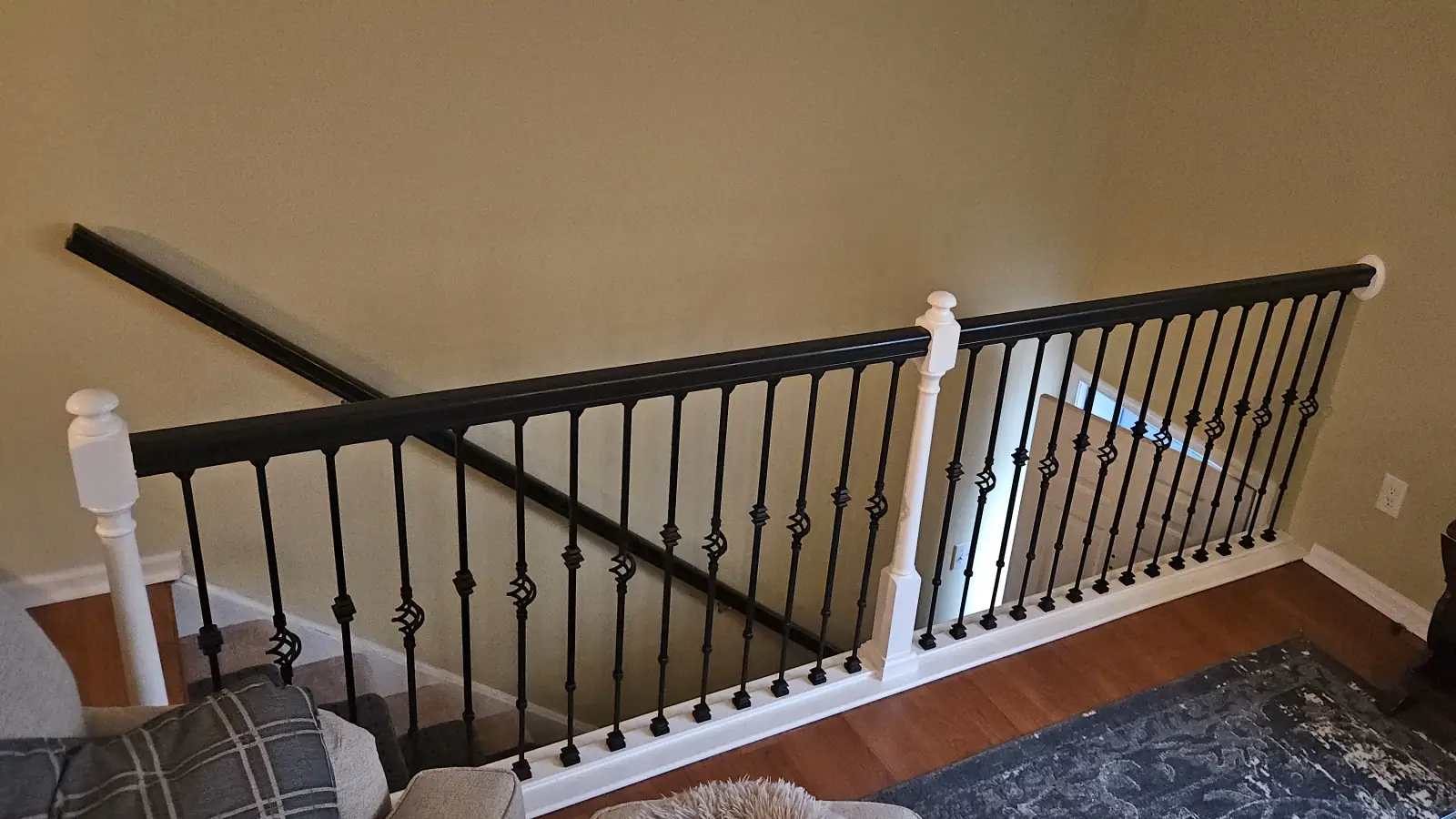
Most homeowners keep their repair list in their head. The sticking bedroom door, the loose towel bar, the outlet cover that cracked in March. The list sits there for a year, and every so often one item fails outright and jumps the queue. A handyman visit is the best moment to clear the whole thing at once, but only if the list exists on paper before anyone shows up. Twenty minutes of preparation is usually the difference between a visit that finishes everything and one that finishes half and needs a second trip.
Walk the house with a pen, not a toolbox
Set aside one stretch of time and go room by room, front door to back. Touch things. Open every cabinet door and swing every interior door. Turn each faucet on and off. Flip every switch and run the ceiling fan on all its speeds. Look up at the ceilings and down at the baseboards. Most of what belongs on a repair list is not dramatic. It is just stuff you stopped noticing. A walk-through with the specific purpose of finding problems turns up the things your eyes have learned to skip.
Group the list by room
Once everything is written down, sort it by room instead of by trade. A tradesperson works through a house the way you would clean it: finish the kitchen, move to the hall, take the bathroom. Grouping by room means tools and materials travel once, drop cloths stay down, and nobody asks you to open the same door four times. It also helps you spot that three small things in the upstairs hall are really one job. A list might look like this.
- Kitchen: a cabinet door that will not stay shut, a drawer front that has pulled loose, a faucet that drips at the base
- Upstairs hall: a squeaking door, scuffed trim near the stairs, a light fixture with a dead socket
- Bathroom: a toilet that rocks, a towel bar that has worked loose, caulk that has gone dark
- Basement: a handrail that wobbles, a bare bulb that should have a proper fixture
- Outside: a gutter that sags at one corner, a porch step with a soft board
Take photos, and take two kinds
For each item, take one wide shot that shows where the problem sits in the room, and one close shot of the problem itself. Together they answer most of the questions a handyman would otherwise ask over the phone: what is the surface, how high is the ceiling, what has already been tried. For anything that might be water damage, like a stain on a ceiling or a soft spot under a sink, put a coin or a pen beside it for scale. Send the photos along with your list. If the person you are hiring can take texts, this takes two minutes, and it saves a trip that would only have been for looking.
Measure what matters
You do not need to be precise, but a few numbers help a great deal. Write them right next to the item on your list.
- The width and height of any door being replaced or any opening being changed
- The length of a run of railing, trim or gutter
- How high off the floor you want a shelf, fan or fixture to sit
- The size of existing hardware, or a photo of the label on a fixture
- Which way a door swings and which side its hinges are on
If you are unsure about a measurement, say so. A rough number with a question mark beside it is far better than a confident wrong one.
Put the small jobs on the list too
This is where people hold back. Changing a door knob, swapping a ceiling fan, replacing a toilet seat or a light fixture feels too minor to mention, so it waits for a bigger job to justify the call. That is backwards. Small jobs are exactly what makes a one-visit list work, because they fill the gaps between larger tasks, and they are often the ones that annoy you every single day. A knob that spins loose in your hand costs you a little patience each morning. Put it on the list right beside the bigger repair and let it be handled in the same visit.
Rank it, then leave some room
Mark each item must-fix, should-fix or someday. Anything involving water, electricity or structure goes to the top. If the day runs short, the must-fixes get done first, and nobody has to guess. Then leave room in the plan for surprises. Open a wall behind a loose tile and you will sometimes find a second problem. A visit planned to the minute leaves no space for that, and the surprise turns into another appointment. It is much better to arrive at a day with a little slack in it.
If you live in Telford, Montgomery County or Bucks County and your list is ready, HandyMac is a good place to send it. Joel MacLeod has more than 25 years in home construction and landscaping, works under PA contractor license PA180140 and is fully insured. Call or text 908-296-9261, send the photos along, and he can tell you what fits into one visit and what might need a closer look first.
HandyMac Home Services LLC, 908-296-9261
Call 908-296-9261More articles
Grab Bars and Wider Doorways: Making a Home Easier to Move Through
A few well-placed bars and one wider opening can change how a house feels to someone who is unsteady on their feet.
Soft Spots in the Floor: When the Sub-Floor Has to Go Before the New Flooring
New flooring over a bad sub-floor looks fine for a few months and then tells on itself.